
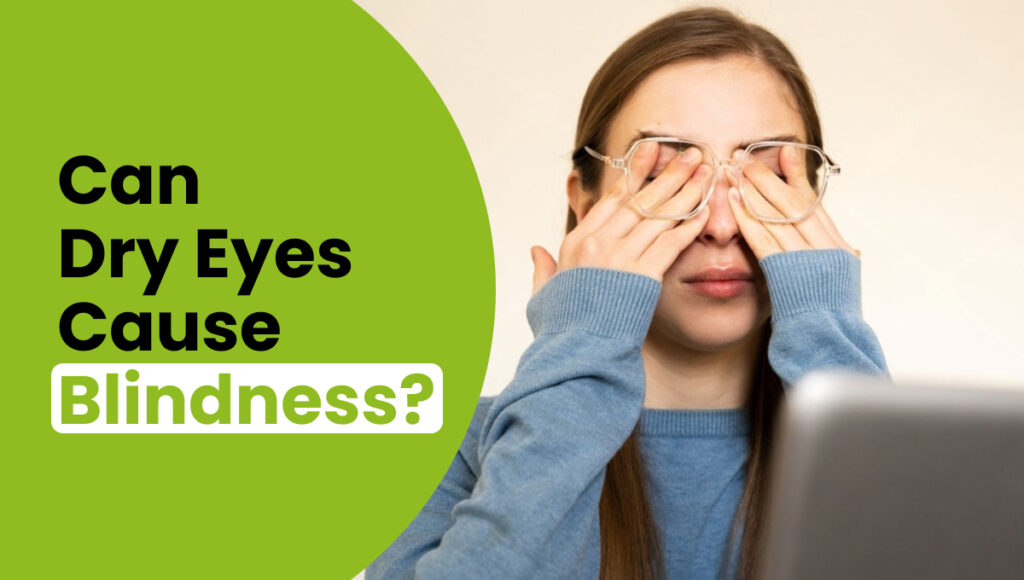
Dry eyes are a common condition that affects people of all ages, particularly those who spend long hours using digital devices or living in dry environments. Symptoms such as burning, irritation and blurred vision are often seen as minor annoyances. However, many people worry whether dry eyes could eventually lead to blindness. While dry eye disease is usually manageable, severe or untreated cases can cause serious eye health complications. Understanding the risks and seeking appropriate care early plays a key role in protecting your vision.
What Are Dry Eyes?
Dry eyes occur when your eyes do not produce enough tears or when tears evaporate too quickly. Tears are essential for keeping the surface of the eye smooth, nourished and protected from infection.
There are two main types of dry eye. Aqueous-deficient dry eye happens when the tear glands do not make enough fluid. Evaporative dry eye occurs when the oily layer of the tear film is poor quality, allowing moisture to escape too quickly. Many people experience a combination of both, which is why tailored treatment is often needed.
What Causes Dry Eyes?
Dry eyes can develop for many reasons. Ageing is one of the most common causes, as tear production naturally decreases over time. Environmental factors such as air conditioning, heating, wind and smoke can worsen symptoms.
Lifestyle habits are also a major contributor. Extended screen use reduces blinking, which leads to faster tear evaporation. Certain medications, including antihistamines and antidepressants, may affect tear production. Medical conditions such as arthritis, diabetes and autoimmune disorders can further disrupt tear balance, increasing the need for structured dry eye management.
Can Dry Eyes Cause Blindness?
In most cases, dry eyes do not cause blindness. Mild to moderate dryness is uncomfortable but unlikely to permanently damage vision. However, severe dry eye disease that is left untreated can harm the surface of the eye.
Without enough moisture, the cornea becomes inflamed and more vulnerable to damage. Over time, this can lead to infections, ulcers or scarring, all of which may reduce vision. Early dry eyes treatment significantly lowers the risk of long-term complications and helps preserve eye health.
Corneal Damage
Increased Risk of Infection
Tears help protect the eye from bacteria. When the eye is dry, this natural defence weakens, increasing the risk of infection. In severe cases, corneal ulcers can develop and require urgent dry eyes treatment to prevent vision loss.
Blurred and Fluctuating Vision
Dry eyes often cause vision to blur, especially after prolonged screen use. Sensitivity to light and difficulty focusing are also common symptoms that may interfere with daily activities.
Symptoms That Should Not Be Ignored
Occasional dryness is normal, but persistent symptoms should not be overlooked. Warning signs include ongoing redness, pain, discharge, sensitivity to light and noticeable changes in vision. A constant gritty or burning sensation that does not improve with lubricating drops may indicate a more serious issue.
Addressing symptoms early allows effective dry eye management before permanent damage occurs.
Managing Dry Eyes at Home
Daily habits can make a meaningful difference to comfort. Taking regular breaks from screens, blinking more often and adjusting screen height can reduce tear evaporation. Using a humidifier and avoiding direct airflow from heaters or fans may also help.
Lubricating eye drops are often recommended for symptom relief. Preservative-free drops are best for frequent use. Warm compresses and eyelid hygiene routines support healthy oil production and form an important part of long-term dry eye management.
Professional Dry Eyes Treatment Options
If symptoms persist despite home care, professional assessment may be required. An optometrist can examine tear quality, tear quantity and eyelid health to identify the underlying cause.
Professional dry eyes treatment may include prescription eye drops to reduce inflammation, therapies to improve oil gland function or procedures designed to retain natural tears on the eye surface. A personalised approach often provides better relief than self-treatment alone.
Lifestyle Changes That Support Eye Health
Diet and hydration play an important role in eye comfort. Omega-3 fatty acids found in oily fish, flaxseed and walnuts may support tear stability. Drinking enough water throughout the day helps maintain healthy tear production.
Good sleep habits, proper lighting and reducing contact lens wear during flare-ups can further improve symptoms and support ongoing eye health.
When to See an Optometrist
If dry eye symptoms continue or worsen, it is important to book an eye examination. Early intervention reduces the risk of complications and helps maintain clear vision.
People with chronic health conditions, contact lens wearers and older adults should be especially proactive about regular eye checks.
Final thoughts
Dry eyes are unlikely to cause blindness on their own, but severe and untreated dry eye disease can threaten vision. The good news is that with timely care, effective dry eyes treatment and consistent dry eye management, most people can protect their eyesight and enjoy lasting comfort.
If dry eye symptoms are affecting your quality of life, professional advice can help safeguard your vision now and into the future.
