
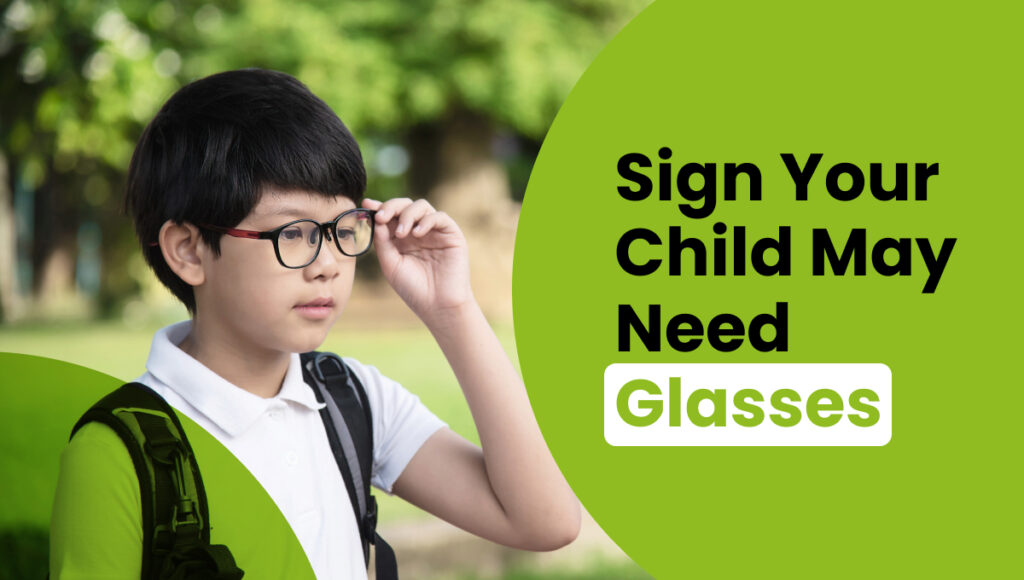
We parents watch our kids closely as they grow, learn, and do things. Kids don’t always know when their vision is bad because they think everyone sees things the same way they do. You need good eyesight to read, write, play sports, and build confidence at school. Being able to spot early warning signs can really help your child’s health and growth.
This guide will show you what to look for and when to get professional help if you’ve ever wondered if your child might need glasses.
Why Kids Need to See Well
Seeing is how kids learn up to 80% of the time in class. If you can see clearly, almost every school task is easier, from reading textbooks to copying notes from the board. It may seem like a child isn’t paying attention or trying hard enough when they have trouble seeing.
If you don’t know you have vision problems, they can make you have headaches, feel frustrated, and lower your self-esteem. That’s why it’s so important to make sure you schedule a full child eye exam for your child at the right time. Finding problems early on helps fix them before they start to affect learning or growth in general.
What Happens When a Child Gets Their Eyes Checked
A lot of parents think that a quick school screening is enough. Screenings are helpful, but they don’t give you as much information as a full child eye exam at an optometry office.
During a full exam, the optometrist usually looks at:
See Clearly
This tests how well your child can see things and letters from different distances.
Tracking and Coordinating Your Eyes
These tests see how well both eyes work together. To read, stay focused, and follow moving objects, you need to be able to coordinate well.
Health of the Eyes Overall
The padeatric optometrist looks at the eyes from the inside and outside to make sure there aren’t any problems.
An appropriate eye exam for children is one that is suitable for their age and makes them feel at ease. The experience is gentle, interesting, and helps them stay calm the whole time.
What a Padeatric Optometrist Does
Kids’ eyes are still growing and need different care than adults’ eyes. A padeatric optometrist is an eye doctor who specializes in looking at and treating children’s eyes.
These experts know how to talk to kids in a way that makes sense and how to notice small signs that a child might be having trouble seeing. They can find problems like nearsightedness, farsightedness, astigmatism, and trouble focusing early on.
Taking your child to a padeatric optometrist ensures they get care that helps both their vision and their overall growth. Finding problems like lazy eye or misaligned eyes early makes treatment more effective and less stressful.
How to Tell If Your Child Needs Glasses
Kids don’t always tell you when something’s wrong. Their actions often give away what they’re thinking. Some common signs are:
Squinting a Lot
Sitting Very Close to Books or Screens
Headaches or Eye Strain
Kids who report headaches after reading or using screens may have difficulty focusing. Eyes that work too hard to see clearly can get tired and strained.
Covering One Eye
If a child covers one eye while watching TV or reading, it could mean that one eye is stronger than the other. A padeatric optometrist should look for any problems with balance.
Having Trouble Paying Attention in Class
Poor vision may make children avoid tasks that require concentration. Teachers might notice a reluctance to read aloud or apparent inattentiveness. Vision testing can determine whether eyesight is the cause.
Rubbing or Blinking Too Much
How Child Glasses Can Help
Properly fitted child eyeglasses can make a big difference for children with vision problems. Corrective lenses improve clarity, reduce strain, and help children perform better in school.
Today’s child eyeglasses are made to be durable, lightweight, and comfortable. Frames are flexible and come in styles that children enjoy wearing. A good fit keeps glasses in place and ensures proper vision correction.
Some parents worry that glasses might affect confidence. In reality, most kids adapt quickly and feel better once they can see clearly. Well-fitting child eyeglasses help children feel comfortable and in control.
Why Acting Early Matters
Vision problems rarely improve on their own. Some, like short-sightedness, may worsen as children grow. Taking care of small issues early prevents them from becoming major problems.
Regular visits to a padeatric optometrist let you monitor your child’s vision. As your child grows, prescriptions can be updated to keep their eyesight clear and comfortable. Early intervention supports school performance and healthy visual development.
When to Make an Appointment
Even without obvious signs, regular checkups are important. Vision problems can progress slowly, and kids may not realize their eyesight is blurry.
Consider scheduling a child eye exam if:
- Your child is starting school
- There’s a family history of vision problems
- Teachers report difficulty reading or concentrating
- You notice any of the behavioral signs above
Routine exams ensure long-term eye health and give peace of mind.
Supporting Eye Health at Home
Good habits at home complement professional care. Encourage regular screen breaks, provide adequate lighting for homework, and promote outdoor play to support visual development.
Most importantly, listen if your child mentions trouble seeing. Early discussion and assessment prevent minor issues from becoming bigger problems.
Final Thoughts
Your child’s eyesight is crucial for learning, confidence, and daily life. Even subtle signs of vision problems should not be ignored.
If you notice squinting, headaches, sitting too close to screens, or other unusual behaviors, seek professional guidance. With well-fitted child eyeglasses, regular child eye exams, and care from a padeatric optometrist, your child can see clearly and fully participate in school and play.
