
Binocular Vision Dysfunction Test
Our BVD eye exam helps identify why your eyes may not be working together properly, so we can find the right solution for you.
What Is Binocular Vision Dysfunction?
Binocular vision dysfunction (BVD) occurs when the eyes struggle to work together as a coordinated pair. When your eyes are even slightly misaligned, your brain works overtime trying to correct and merge the two images it receives. Over time, this strain can cause a wide range of symptoms that are often mistaken for other conditions such as migraines, anxiety, or learning difficulties.
BVD is more common than many people realise, yet it frequently goes undiagnosed through standard eye tests. A dedicated binocular vision dysfunction test looks specifically at how your eyes coordinate, rather than simply measuring your prescription.
Symptoms of Binocular Vision Dysfunction(BVD)
You may benefit from a BVD eye test if you regularly experience any of the following:
- Frequent headaches, particularly around the eyes or forehead
- Dizziness or a sense of unsteadiness
- Blurred or double vision, even with current glasses or contact lenses
- Difficulty reading for extended periods
- Words appearing to move or swim on the page
- Light sensitivity or trouble with bright or flickering environments
- Neck or shoulder tension linked to visual effort
- Difficulty with depth perception or judging distances


What Does a Binocular Vision Dysfunction Test Involve?
Tests We Use to Diagnose BVD
- Cover test: Assesses eye alignment and detects any tendency for one eye to deviate
- Vergence testing: Measures how well your eyes can converge and diverge smoothly
- Ocular motility assessment: Evaluates the accuracy and smoothness of eye movements
- Stereoacuity testing: Checks your depth perception and three-dimensional vision
- Fixation disparity testing: Detects subtle misalignment not visible in standard tests
- Accommodative testing: Assesses the focusing system and how it interacts with eye teaming
How Long Does the Assessment Take?
A comprehensive BVD eye test typically takes between 45 and 60 minutes. We recommend allowing a little extra time on your first visit so your optometrist can take a thorough case history and understand the full picture of your symptoms.
Treatments for Binocular Vision Dysfunction
Prismatic Lenses
In many cases, specially prescribed prismatic lenses are highly effective for treating BVD. These lenses contain a prism that shifts the image seen by one or both eyes, reducing the effort required for your brain to align them. Many patients notice significant symptom relief within a short period of wearing their new glasses.
Vision Therapy
Vision therapy is a structured programme of exercises designed to retrain the visual system and improve the way your eyes work together. It is particularly effective for convergence insufficiency and other eye teaming conditions. Your optometrist will design a personalised programme based on your assessment results.
Combination Approaches
Why Choose Clear Vision Optical for BVD Testing?
Clear Vision Optical is a specialist optometry practice with extensive experience in diagnosing and managing binocular vision conditions. Our optometrists take a thorough, patient-centred approach and will never rush through an assessment.
- Experienced optometrists with specialist interest in binocular vision
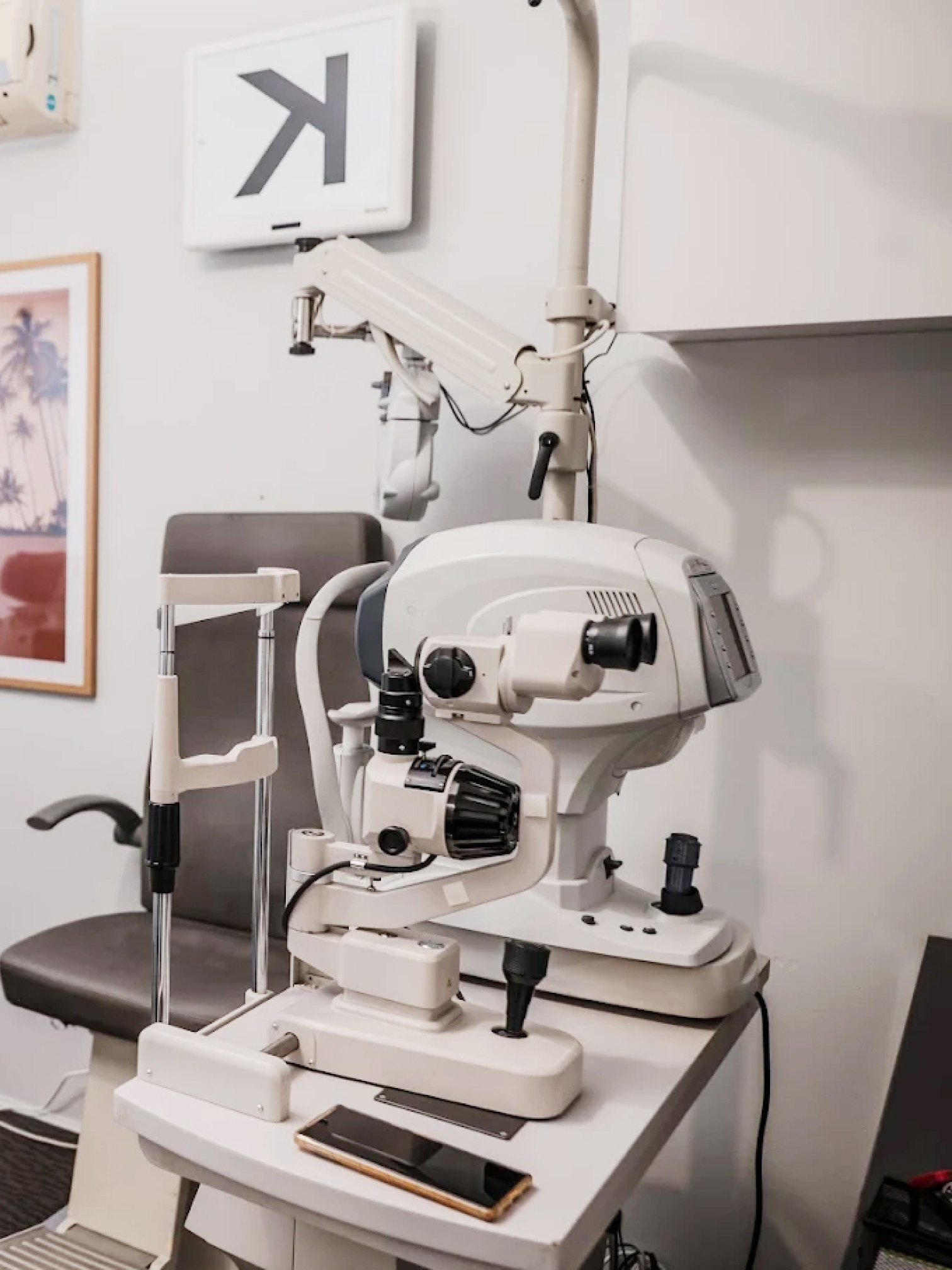
- Advanced diagnostic equipment for accurate, detailed assessment
- Clear explanations of your results and treatment options
- Ongoing support and follow-up throughout your treatment
- Convenient Melbourne location with flexible appointment times
Frequently Asked Questions About BVD Testing
A standard eye test focuses primarily on your prescription and eye health. It does not usually include the specific binocular vision assessments needed to diagnose BVD. A dedicated BVD eye test is required for an accurate diagnosis.
Yes. BVD can affect people of all ages, including children. In younger patients, it may present as reading difficulties, poor concentration, or avoidance of close work. We recommend testing if a child is experiencing these difficulties.
Not necessarily. The outcome depends on your results. Some patients are prescribed prismatic lenses, others are referred for vision therapy, and some may require a combination of both. Your optometrist will explain your options clearly.
The only reliable way to determine this is through a comprehensive binocular vision dysfunction test. Many BVD symptoms overlap with other conditions, which is why a professional assessment is so important.
BVD can often be managed very effectively with the right treatment. Many patients experience a significant reduction in symptoms. The extent of improvement depends on the type of BVD and how well your visual system responds to treatment.
Book Your BVD Eye Test Today
If you have been living with unexplained headaches, dizziness, or visual discomfort, a binocular vision dysfunction test could provide the answers you have been looking for. Book an appointment with our team at Clear Vision Optical and take the first step towards clearer, more comfortable vision.