
Diabetic Eye Exam
Comprehensive diabetic eye care to help preserve your eyesight
Why Diabetes Puts Your Eyes at Risk
Diabetes affects blood vessels throughout the body, and the delicate vessels supplying the retina at the back of your eye are particularly vulnerable. Over time, high blood glucose levels can cause these vessels to leak, swell, or grow abnormally, leading to a condition called diabetic retinopathy.
What makes diabetic retinopathy especially dangerous is that it often causes no symptoms in its early stages. By the time vision changes become noticeable, the condition may already be significantly advanced. This is why regular diabetic retinal screening is essential for anyone living with Type 1 or Type 2 diabetes.
Who Should Have a Diabetic Eye Exam?
You should have a diabetic eye test if you:
- Have been diagnosed with Type 1 or Type 2 diabetes
- Have been managing diabetes for five or more years
- Have experienced any changes to your vision since your diabetes diagnosis
- Have other risk factors such as high blood pressure or high cholesterol
- Have not had a retinal examination in the past 12 months

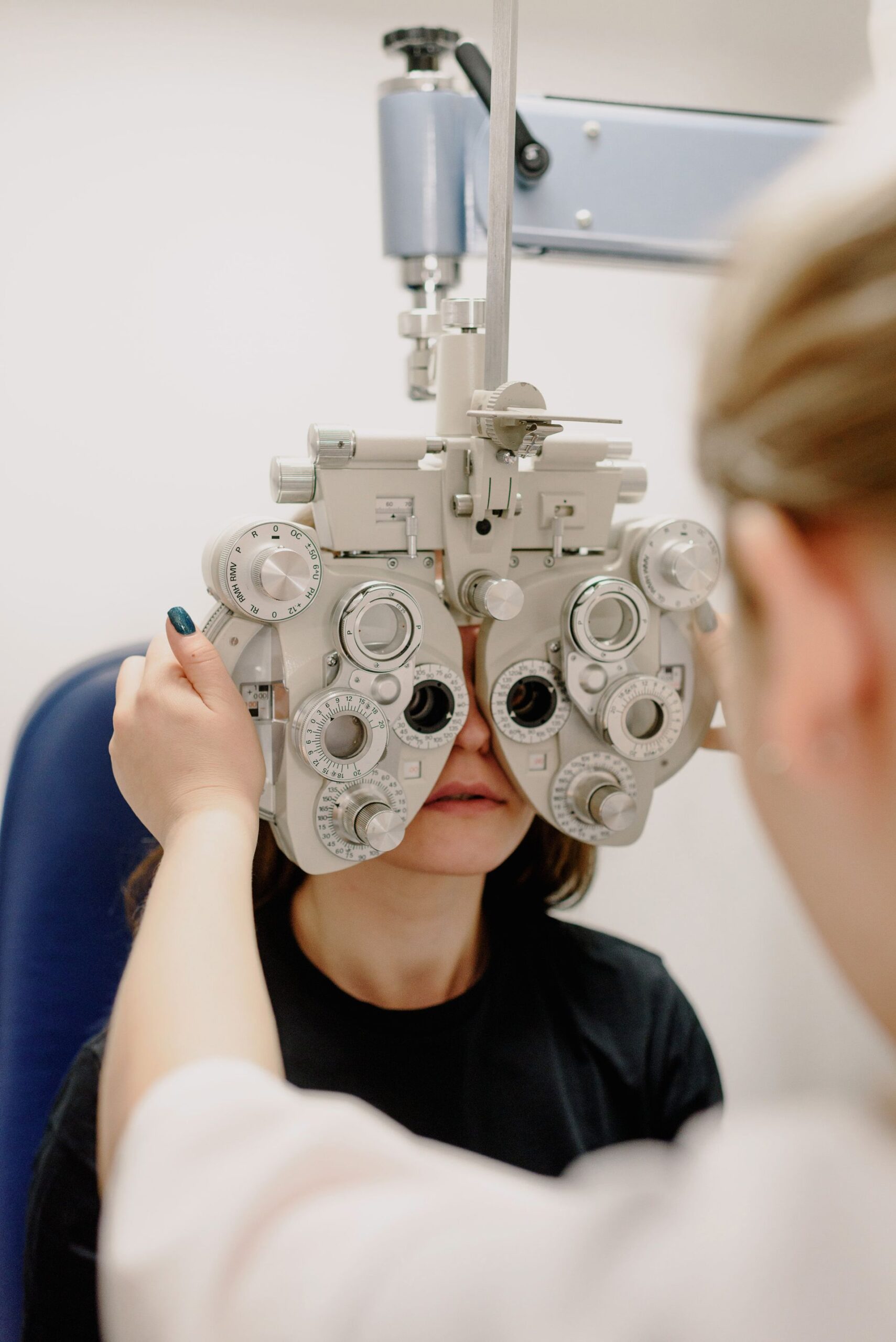
What Is Included in a Diabetic Eye Exam?
A diabetic eye test at Clear Vision Optical is a comprehensive assessment that goes beyond a standard vision check. Our optometrists are trained in diabetic eye health and use advanced equipment to examine every relevant structure of your eye.
Retinal Screening for Diabetes
Retinal screening is the cornerstone of diabetic eye care. We use digital retinal photography and, where appropriate, optical coherence tomography (OCT) to capture detailed images of your retina. These images allow us to detect even subtle early changes associated with diabetic retinopathy.
Full Diabetic Eye Assessment Components
- Visual acuity test: Measures how clearly you can see at various distances
- Intraocular pressure check: Screens for glaucoma, which is more common in people with diabetes
- Dilated fundus examination: Allows a thorough view of the retina, macula, and optic nerve
- Digital retinal photography: Captures high-resolution images for comparison over time
- OCT scan (where indicated): Provides a cross-sectional view of the retinal layers to detect swelling or structural changes
- Anterior segment assessment: Checks the front of the eye, including the lens, for diabetes-related changes such as early cataracts
How Long Does a Diabetic Eye Test Take?
A full diabetic eye exam takes approximately 45 to 60 minutes. If dilation drops are used, your close-up vision and light sensitivity may be temporarily affected for two to four hours afterwards. We recommend bringing sunglasses to your appointment and arranging a lift home if you are unsure about driving after dilation.
Understanding Diabetic Retinopathy
Diabetic retinopathy is the most common cause of vision loss in working-age Australians. It develops in stages, and early detection makes a critical difference to the treatment options available.
Stages of Diabetic Retinopathy
- Mild non-proliferative retinopathy: Small swellings in the retinal blood vessels, often with no noticeable symptoms
- Moderate non-proliferative retinopathy: Blood vessels begin to swell and lose their ability to transport blood normally
- Severe non-proliferative retinopathy: More blood vessels are blocked, depriving areas of the retina of their blood supply
- Proliferative retinopathy: New, abnormal blood vessels grow on the surface of the retina and may leak, causing serious vision loss
Other Diabetic Eye Conditions We Screen For
- Diabetic macular oedema: Swelling of the macula that can cause blurred central vision
- Diabetic cataracts: People with diabetes are at higher risk of developing cataracts at an earlier age
- Neovascular glaucoma: A rare but serious complication associated with advanced diabetic retinopathy
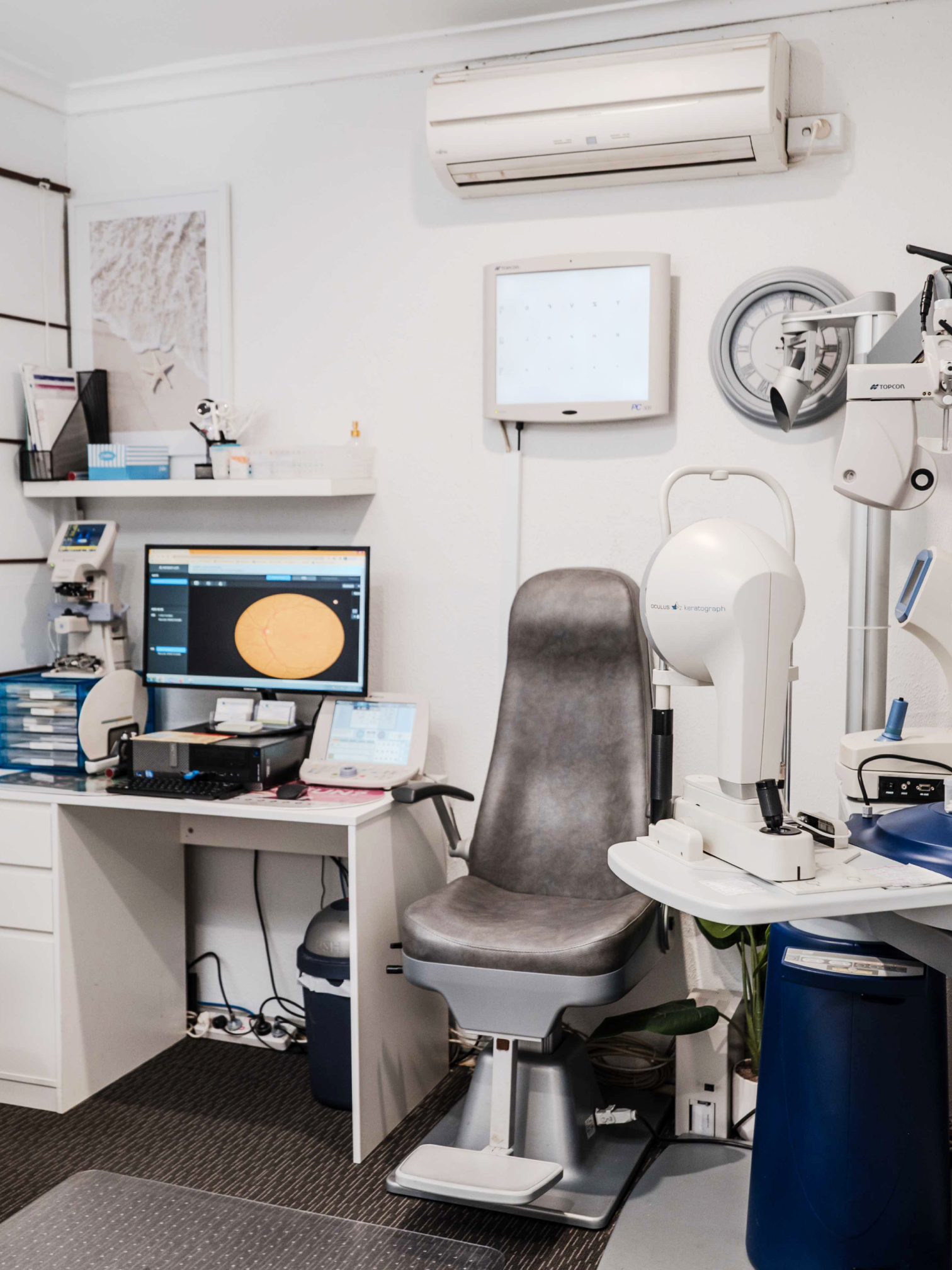

Why Choose Clear Vision Optical for Your Diabetic Eye Exam?
Our team understands the particular importance of consistency and attention to detail when it comes to diabetic eye health. We maintain detailed records of your retinal images and examination findings so that we can identify any changes accurately over time.
- Specialist experience in diabetic retinal screening
- Advanced digital retinal photography and OCT imaging
- Clear, jargon-free communication about your results
- Prompt referral pathways if further treatment is required
- Bulk billing available for eligible patients (confirm at time of booking)
- Convenient Melbourne location with accessible facilities
Frequently Asked Questions About Diabetic Eye Tests
Diabetes Australia recommends at least every one to two years for people with diabetes. If early changes are detected, your optometrist may recommend more frequent monitoring, typically every six to twelve months.
No. A diabetic eye exam is more comprehensive than a standard eye test. It specifically includes retinal screening and checks for the eye complications associated with diabetes that would not be covered in a routine vision check.
If your eyes are dilated during the examination, your vision may be temporarily blurred and you may be more sensitive to light. We recommend arranging a lift home if this applies to you. Our team will advise you on the day.
Medicare may cover part or all of the cost depending on your circumstances. We recommend contacting our practice prior to your appointment to discuss fees and eligibility.
Yes. Even with well-managed blood glucose levels, the risk of diabetic eye disease remains. Regular retinal screening is recommended regardless of how well your diabetes is controlled, as early changes can occur without any symptoms.
If we detect any signs of diabetic eye disease, we will explain our findings clearly and recommend an appropriate management plan. This may include more frequent monitoring, lifestyle recommendations, or a referral to an ophthalmologist if treatment is required.
Book Your Diabetic Eye Exam in Melbourne
Do not wait for symptoms to appear. Book your diabetic eye test at Clear Vision Optical today and take an important step in protecting your long-term vision. Our friendly team is ready to support you with thorough, compassionate care.