
What is Digital Eye Strain?
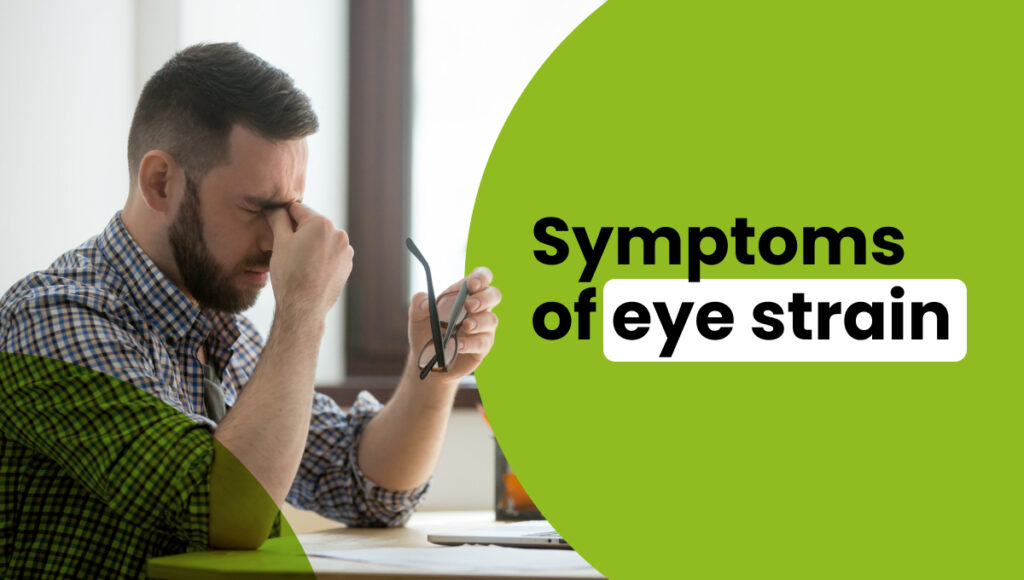
Digital eye strain is a condition that happens when you use screens for a long time. You might also hear it called computer vision syndrome, which is a group of symptoms that affect the eyes, neck, and shoulders after using a digital device for a long time. Both words refer to the strain your eyes feel when you look at screens up close for a long time, which can be made worse by bad lighting, glare, or bad posture.
Our eyes weren’t made to handle the constant strain of being online for work, school, or fun. At first, the pain may not be too bad, but over time it can make it hard to focus, be productive, and even enjoy life.
How to Tell if You Have Computer Vision Syndrome
The symptoms of computer vision syndrome can be very different from each other, and they usually get worse over time. Some common signs are:
- Tired or sore eyes: Your eyes may feel heavy or achy, especially after working for a long time.
- Double vision or blurred vision: You might have trouble focusing on details, or text might look fuzzy.
- Eyes that are dry, itchy, or watery: Not blinking as much when you look at screens can make your eyes feel bad.
- Headaches: Working on a screen for a long time can cause tension headaches.
- Pain in the neck and shoulders: This is often ignored, but it happens when you lean forward or hunch over while concentrating.
A lot of people notice that their symptoms get worse at the end of the day or after spending a lot of time in front of a screen. Your body is telling you to slow down and check your eyes.
Things You Do Every Day That Make Your Eyes Tired
Digital eye strain is more likely to happen in some places and with some habits. It can happen if you spend hours on your laptop without a break, read on your phone late at night, or play video games for a long time. Students who take online classes may get tired eyes without even knowing why. Bad lighting, glare on screens, and uncomfortable chairs make the strain even worse. The first step to taking care of your eyes is to know what these triggers are.
Why It's Important to Get a Professional Eye Exam
Making changes to your lifestyle can help, but nothing beats a full eye exam. A full examination can find problems that make computer vision syndrome worse, like prescriptions that aren’t correct or early signs of eye disease. Optometrists check your eyesight, eye health, and how often you use screens during an eye exam. Then they can suggest lenses, changes, or treatments that will make you more comfortable and help you focus better.
People of all ages, but especially kids and adults who spend a lot of time on screens, should make sure to get regular eye exams. Finding vision problems early can help avoid long-term problems and keep your eyes healthy for a long time.
Easy Ways to Ease Digital Eye Strain
Changing even small things can help a lot with digital eye strain:
- Follow the 20-20-20 rule: every 20 minutes, look at something 20 feet away for 20 seconds.
- Look around your workspace: Make sure screens are at eye level and windows or lamps don’t reflect too much light.
- Change the settings on your screen to lower the brightness or use night mode to make your eyes feel better.
- Blink a lot and drink enough water. This will help keep your eyes from getting dry and irritated.
- Take breaks: Get up, stretch, and move around to ease the tension in your neck and shoulders.
These small changes, along with eye tests, can make a big difference in comfort and lower the risk of long-term strain.
When to Get Professional Help
There are some signs that you should see an optometrist. If your symptoms don’t go away after making changes to your lifestyle, get in the way of school or work, or get worse over time, you need to see a doctor. An eye exam not only finds the cause, but it also lets your optometrist give you personalised advice and solutions. The best way to keep your vision healthy and avoid long-term pain is to get help early.
Conclusion
In our screen-driven world, digital eye strain and computer vision syndrome are becoming more common. It’s important to protect your eyesight by recognising the signs early, changing your daily habits, and getting regular eye exams. Taking care of your eyes ahead of time makes sure they stay healthy, comfortable, and ready for whatever your busy life throws at them.Remember, even small daily adjustments can make a big difference in keeping your eyes feeling their best.
